
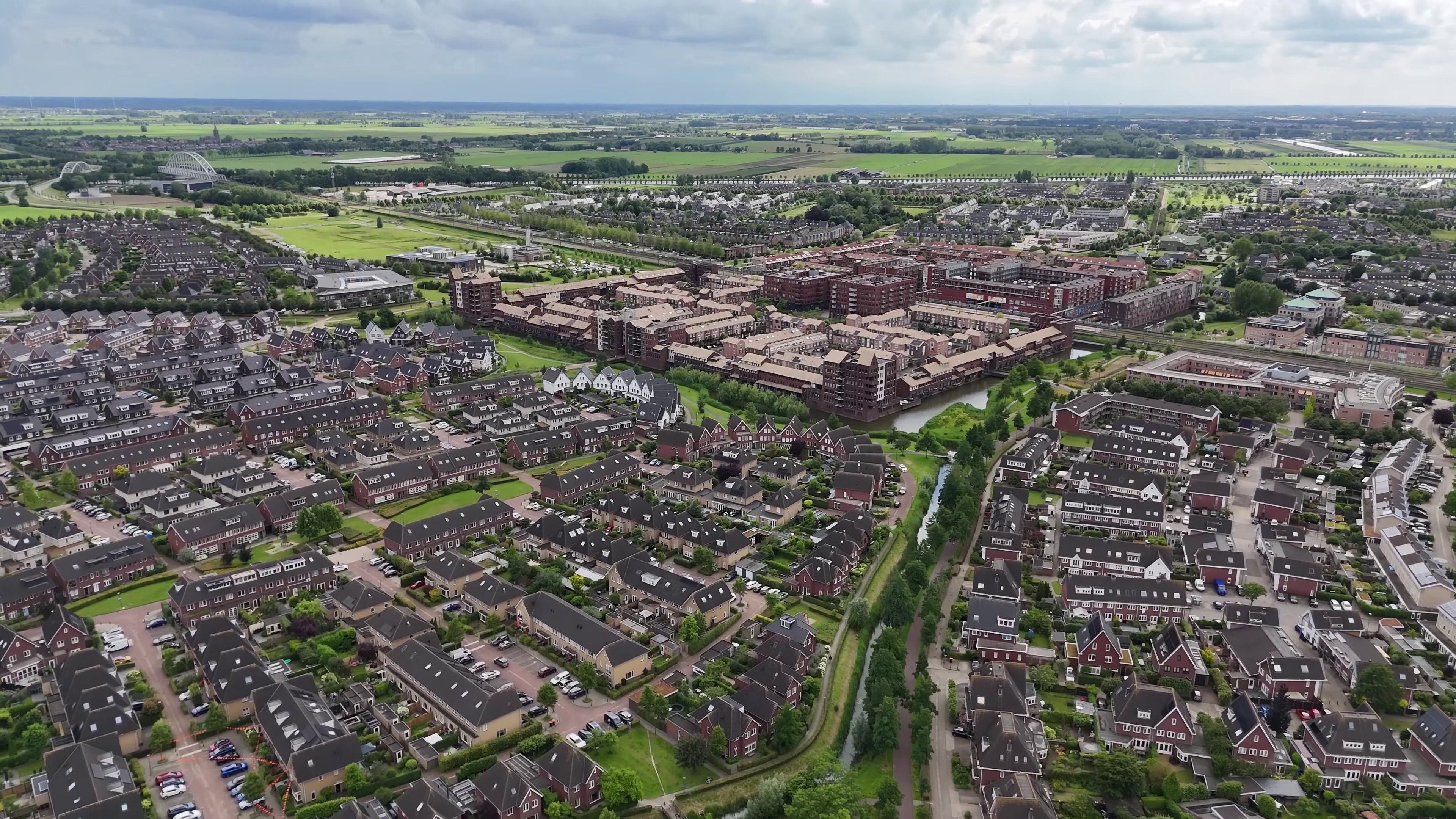
Houten: A People-First City
Houten demonstrates what happens when you design a city around people, not cars. This planned community of approximately 50,000 people serves as a powerful example of how intentional urban planning can create livable, walkable, and bikeable places.
- Innovative ring road design with cars on the periphery
- Central spine for pedestrians and cyclists connecting key destinations
- Extensive bicycle infrastructure with over 129 km of cycle paths
- Safe routes to schools and community amenities
- Twice named "Cycling City of the Netherlands" (2008, 2018)
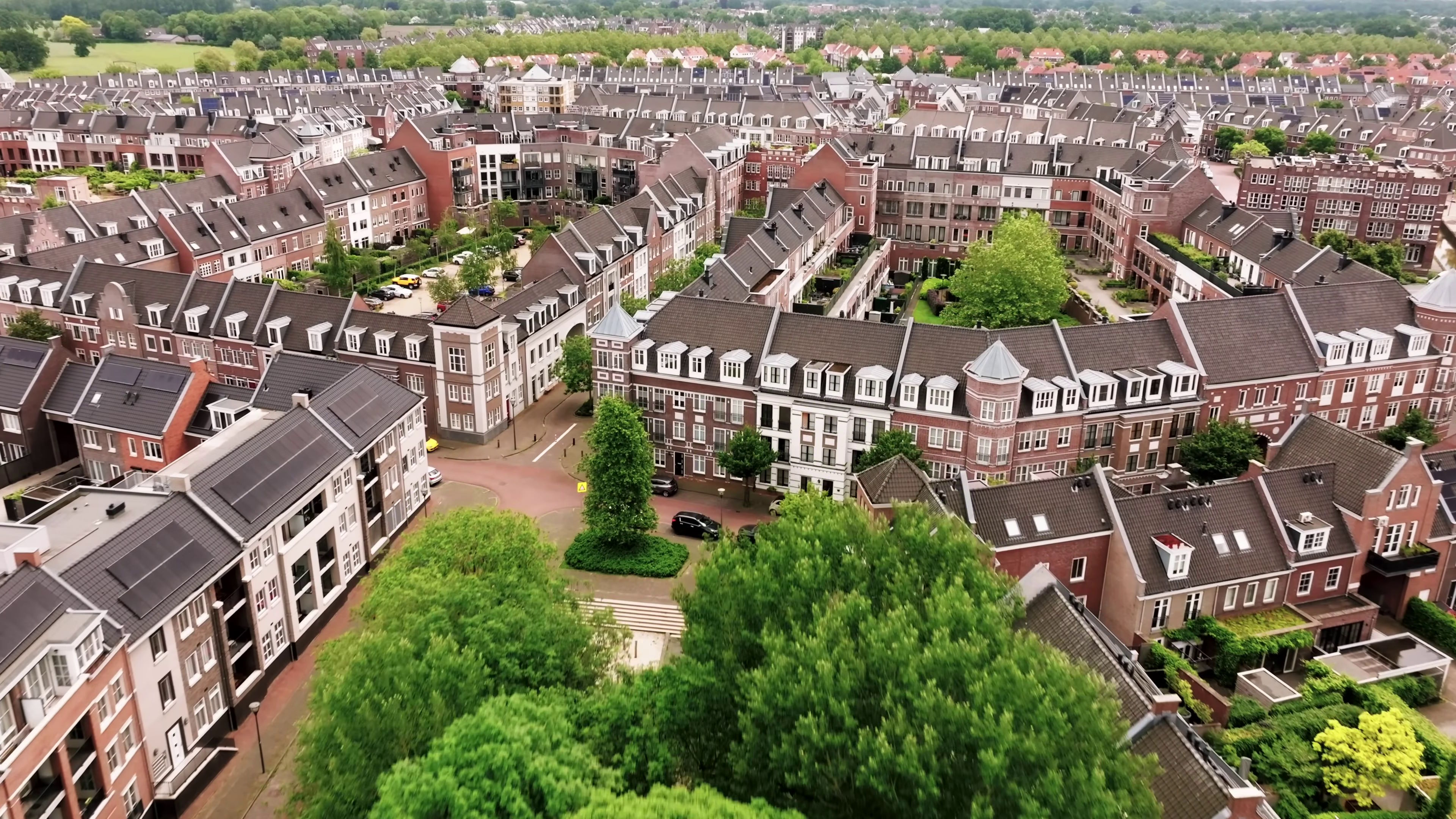
Brandevoort: Traditional Design for Modern Living
Brandevoort demonstrates how traditional urban design principles can create beautiful, livable places in the 21st century. This new town combines the charm and walkability of historic Dutch settlements with modern amenities and infrastructure.
- Designed to resemble a traditional Dutch fortified town
- Mixed-use development with a range of housing types
- Pedestrian-friendly streets and public spaces
- Integration of affordable and social housing
- Proof that traditional design principles still work today
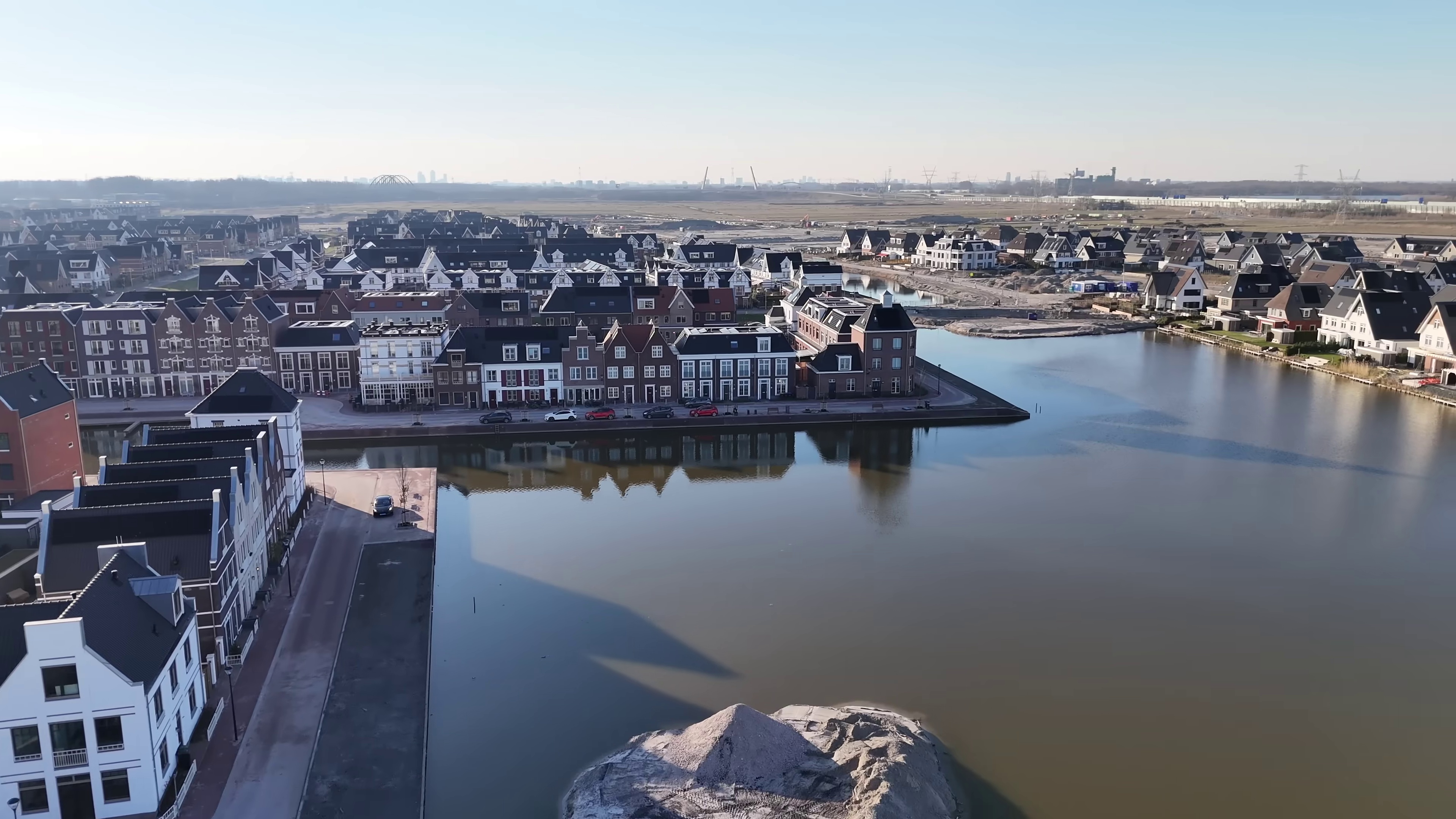
Weespersluis: Traditional Character in a Modern Town
Just outside Amsterdam, Weespersluis demonstrates how traditional Dutch design principles can create beautiful, livable places in the 21st century. Built from 2017 and continuing through 2027, this expansion of the medieval city of Weesp combines historical character with modern amenities.
- Modern interpretation of traditional Dutch architecture
- Extensive water integration throughout the development
- Meticulous attention to architectural details and public spaces
- Strategic road hierarchy with ring road system
- Family-friendly design with numerous playgrounds and amenities
Dutch Urban Planning Principles
The Netherlands has developed distinctive approaches to urban planning and development that differ significantly from North American practices. These case studies highlight several key principles that contribute to the Netherlands' success:
Key Urban Planning Elements
- People-Centered Design: Prioritizing human experience over vehicular efficiency
- Cycling Infrastructure: Comprehensive networks of protected bike paths
- Mixed-Use Integration: Combining housing, commercial, and civic functions
- Transit-Oriented Development: Planning communities around public transportation
- Housing Diversity: Providing various housing types for different needs
- Traditional Urban Forms: Drawing on proven historical patterns
- Water Management: Integrating water features into urban design
Lessons for Langley
- Modal Filtering: Separating transportation modes for safety and efficiency
- Bicycle Priority: Making cycling the most convenient option for short trips
- Housing Innovation: Exploring different housing forms that balance density with character
- Public Space Design: Creating high-quality shared spaces for community life
- Environmental Integration: Incorporating green spaces and natural systems
- Historical References: Drawing on local architectural traditions
- Long-Term Planning: Developing comprehensive visions implemented over time
Adapting Dutch Concepts for British Columbia
While Dutch and North American contexts differ significantly, there are many elements from the Netherlands' urban development that can be thoughtfully adapted to Langley's context:
- Mixed-Use Building Integration: Embracing taller, multipurpose urban buildings in town centres and quieter neighbourhoods, using Dutch design principles to ensure they fit gracefully within their surroundings
- Bicycle Networks: Creating connected, protected cycling routes between key destinations
- Neighbourhood Structure: Using traffic calming and modal filters to create quieter residential areas
- Transit Integration: Planning development in coordination with future transit corridors
- Form-Based Approaches: Focusing on the relationship between buildings and public space
- Housing Typologies: Adapting Dutch housing models to fit local preferences and needs
- Street Design: Reconfiguring streets to better balance different transportation modes
- Public Realm Investment: Prioritizing high-quality public spaces as community assets
By studying these Dutch examples, we can find a middle ground between North American suburban patterns and more efficient, sustainable development approaches that still reflect local character and preferences.
About Our Case Studies
These case studies were researched and compiled by Langley Urbanist Society Director and Strong Towns Langley leader, Jаmеs Hаnsеn, to identify successful implementations of people-first urban design principles that could inform development in our region.
Have a suggestion for a case study we should explore? Know of an interesting example of sustainable, financially resilient urban development?
Contact James directly at james@strongtownslangley.org, find him on our discord, or contact us with your ideas.
Jаmеs Hаnsеn